
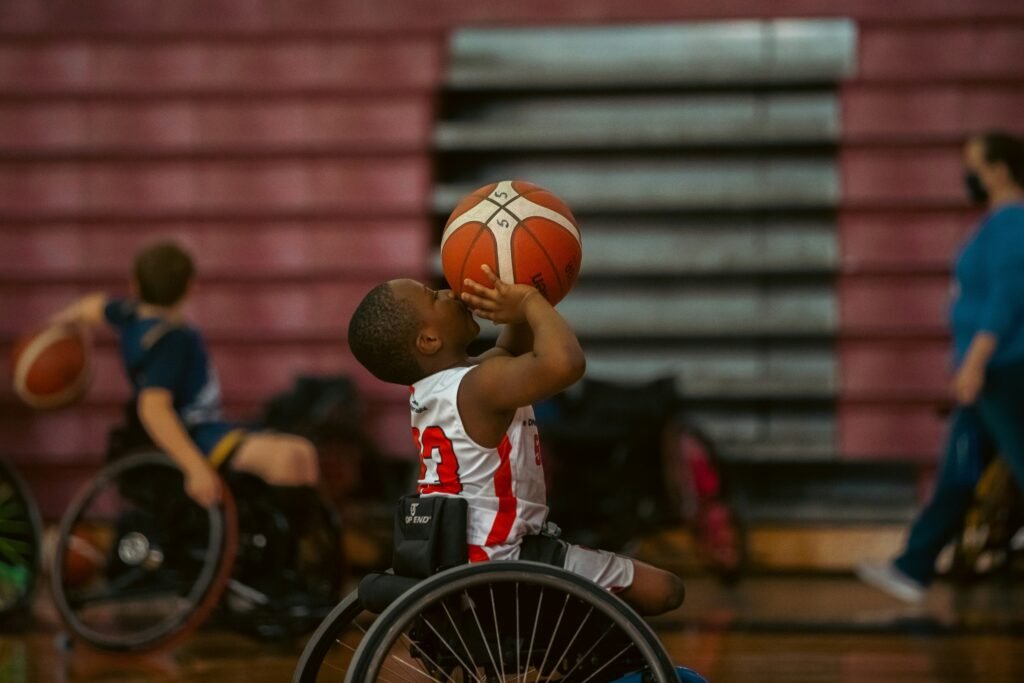
MASBLOX research highlights a common challenge across five European countries: people strongly support inclusion in sport, but inclusive participation is still far from being the norm.
The first MASBLOX needs analysis involved 380 participants across Türkiye, Spain, Portugal, Croatia and Belgium, including sports professionals, people with disabilities and non-disabled participants. The study explored sports participation, awareness of Mixed Ability Sports (MAS), barriers to inclusion and the potential role of digital sports and eSports.
One of the clearest findings is the gap between attitudes and implementation. Across the five countries, inclusion is widely valued, while awareness of MAS remains relatively low. At the same time, people with disabilities continue to experience multiple barriers to participation, including inaccessible facilities, lack of resources, social stigma, insufficient professional training and psychological barriers.
The research also shows that sports professionals are willing to support inclusion, but often lack the structured training, practical guidance and institutional support needed to turn this willingness into consistent practice.
These findings point to an important conclusion: inclusive sport cannot depend only on individual initiatives. Sustainable change requires accessible infrastructure, trained professionals, effective methodologies and cooperation between sports organisations, educational institutions and other stakeholders.
For MASBLOX, this evidence provides an important foundation. By promoting Mixed Ability Sports and connecting physical participation with digital environments, the project aims to contribute to more accessible and inclusive sports communities across Europe.MASBLOX research highlights a common challenge across five European countries: people strongly support inclusion in sport, but inclusive participation is still far from being the norm.
The first MASBLOX needs analysis involved 380 participants across Türkiye, Spain, Portugal, Croatia and Belgium, including sports professionals, people with disabilities and non-disabled participants. The study explored sports participation, awareness of Mixed Ability Sports (MAS), barriers to inclusion and the potential role of digital sports and eSports.
One of the clearest findings is the gap between attitudes and implementation. Across the five countries, inclusion is widely valued, while awareness of MAS remains relatively low. At the same time, people with disabilities continue to experience multiple barriers to participation, including inaccessible facilities, lack of resources, social stigma, insufficient professional training and psychological barriers.
The research also shows that sports professionals are willing to support inclusion, but often lack the structured training, practical guidance and institutional support needed to turn this willingness into consistent practice.
These findings point to an important conclusion: inclusive sport cannot depend only on individual initiatives. Sustainable change requires accessible infrastructure, trained professionals, effective methodologies and cooperation between sports organisations, educational institutions and other stakeholders.
For MASBLOX, this evidence provides an important foundation. By promoting Mixed Ability Sports and connecting physical participation with digital environments, the project aims to contribute to more accessible and inclusive sports communities across Europe.